Plastic Surgery
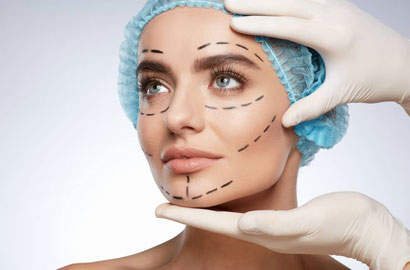
Plastic Surgery is a specialized field of medicine focused on restoring, reconstructing, or improving the function and appearance of different parts of the body. At Orbit Super Specialty Hospital, our experienced plastic surgeons provide personalized care for patients requiring reconstructive and aesthetic procedures.
Our approach combines surgical expertise, careful planning, modern techniques, and comprehensive post-operative care to support safe recovery and achieve appropriate functional and aesthetic outcomes.
Conditions
Plastic Surgery may be recommended for a variety of reconstructive and aesthetic concerns, including:
- Burn Injuries and Burn Scars
- Traumatic Injuries
- Facial Injuries and Fractures
- Congenital Deformities
- Scar Revision
- Skin and Soft Tissue Defects
- Wound and Tissue Loss
- Hand and Upper Limb Conditions
- Post-Traumatic Deformities
- Reconstructive Needs After Tumor Surgery
- Cosmetic and Aesthetic Concerns
Symptoms
Patients may seek plastic surgery evaluation when they experience functional limitations, physical deformities, or concerns related to appearance. Common concerns include:
- Visible scars or deformities
- Loss of tissue following injury
- Burn-related contractures or scars
- Difficulty moving an affected body part
- Facial or body asymmetry
- Congenital physical abnormalities
- Persistent wounds or tissue defects
- Changes in appearance following trauma or surgery
- Functional problems caused by scars or deformities
Causes
Conditions requiring plastic or reconstructive surgery may result from various factors, including:
- Accidents and traumatic injuries
- Burns
- Congenital conditions
- Infections
- Previous surgeries
- Tumor or cancer surgery
- Chronic wounds
- Skin and soft tissue disorders
- Age-related changes
- Individual aesthetic concerns
Treatment
Treatment depends on the patient's condition, medical history, functional requirements, and individual goals. Depending on the diagnosis, treatment may include:
- Reconstructive Surgery
- Burn Reconstruction
- Scar Revision
- Skin Grafting
- Flap Surgery
- Wound Reconstruction
- Hand and Soft Tissue Reconstruction
- Facial Reconstruction
- Post-Traumatic Reconstruction
- Reconstruction After Tumor Surgery
- Aesthetic and Cosmetic Procedures
- Post-operative Rehabilitation and Follow-up Care
The appropriate surgical approach is selected after a detailed consultation, clinical examination, and assessment of the patient's individual needs.
Benefits
Appropriate plastic and reconstructive surgery can help restore function, improve physical appearance, and support recovery following injury or disease. Potential benefits include:
- Restoration of damaged or lost tissue
- Improved movement and physical function
- Reduction in the appearance of certain scars
- Improved facial or body symmetry
- Better wound healing and tissue coverage
- Restoration of function following injury
- Improved confidence and quality of life
Prevention
While many conditions requiring plastic surgery cannot be completely prevented, certain precautions can help reduce the risk of injuries and complications.
- Follow appropriate safety measures at home and work
- Use protective equipment during sports and physical activities
- Take precautions to prevent burns and accidents
- Seek timely treatment for serious wounds and injuries
- Follow proper wound-care instructions
- Avoid smoking to support wound healing
- Maintain a healthy and balanced lifestyle
- Follow all pre-operative and post-operative instructions
- Attend scheduled follow-up appointments
When to Consult a Plastic Surgeon?
You may consider consulting a plastic surgeon for significant scars, burn injuries, traumatic wounds, congenital deformities, tissue loss, facial injuries, functional problems, or reconstructive needs following surgery or cancer treatment.
Early evaluation after a significant injury or burn can help determine the appropriate treatment and support better functional and cosmetic outcomes.