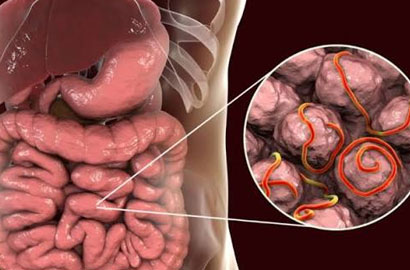
Gastroenterology
Gastroenterology is a specialized branch of medicine focused on the diagnosis, treatment, and management of conditions affecting the digestive system, including the stomach, intestines, liver, gallbladder, pancreas, and related organs. At Orbit Super Specialty Hospital, our experienced gastroenterologists provide comprehensive digestive healthcare with a focus on accurate diagnosis, personalized treatment, and long-term well-being.
Our approach includes detailed clinical evaluation, appropriate diagnostic investigations, medical management, endoscopic evaluation when required, and regular follow-up to help patients manage digestive and gastrointestinal conditions effectively.
Conditions
Gastroenterology provides diagnosis and treatment for a wide range of digestive and gastrointestinal conditions, including:
- Acid Reflux and GERD
- Gastritis
- Peptic Ulcers
- Gallstones
- Fatty Liver Disease
- Hepatitis and Liver Disorders
- Pancreatitis
- Irritable Bowel Syndrome
- Inflammatory Bowel Disease
- Constipation and Diarrhea
- Inflammatory and Infectious Gastrointestinal Disorders
- Gastrointestinal Bleeding
- Liver and Biliary Tract Disorders
Symptoms
Digestive disorders can cause different symptoms depending on the underlying condition. Common symptoms include:
- Persistent abdominal pain
- Acidity or heartburn
- Bloating and excessive gas
- Nausea or vomiting
- Changes in bowel habits
- Persistent constipation or diarrhea
- Difficulty swallowing
- Loss of appetite
- Unexplained weight loss
- Blood in the stool or black stools
- Jaundice or yellowing of the skin and eyes
- Persistent indigestion
Causes
Gastrointestinal conditions can develop due to several factors, depending on the specific condition. Common causes and contributing factors include:
- Unhealthy dietary habits
- Infections
- Excessive alcohol consumption
- Smoking and tobacco use
- Obesity and lack of physical activity
- Stress and lifestyle factors
- Genetic or hereditary factors
- Autoimmune conditions
- Long-term use of certain medications
- Metabolic disorders
- Age-related changes
Treatment
Treatment depends on the type and severity of the digestive condition, its underlying cause, medical history, and overall health of the patient. Treatment may include:
- Medication and Medical Management
- Dietary and Lifestyle Modifications
- Acid Reflux and Gastritis Management
- Management of Peptic Ulcers
- Liver Disease Management
- Management of Gallbladder and Biliary Conditions
- Pancreatic Disorder Management
- Management of Irritable Bowel Syndrome
- Inflammatory Bowel Disease Management
- Endoscopic Evaluation and Procedures when required
- Management of Gastrointestinal Bleeding
- Regular Monitoring and Follow-up Care
The treatment plan is personalized after a detailed clinical assessment and appropriate diagnostic investigations. Endoscopic or other procedures may be recommended when clinically required.
Benefits
Timely evaluation and appropriate treatment can help manage digestive conditions, relieve symptoms, and reduce the risk of complications. Potential benefits include:
- Early detection of digestive disorders
- Relief from abdominal discomfort and digestive symptoms
- Better management of chronic gastrointestinal conditions
- Improved digestive health
- Better management of liver and pancreatic conditions
- Reduced risk of complications
- Improved nutrition and overall well-being
- Better quality of life
Prevention
Healthy lifestyle habits and regular medical care can help reduce the risk of certain digestive and gastrointestinal conditions.
- Follow a balanced and nutritious diet
- Eat meals at regular intervals
- Maintain a healthy body weight
- Exercise regularly
- Stay adequately hydrated
- Limit excessive alcohol consumption
- Avoid smoking and tobacco products
- Practice good food and hand hygiene
- Avoid unnecessary or prolonged use of medications
- Seek medical advice for persistent digestive symptoms
When to Consult a Gastroenterologist?
Consult a gastroenterologist if you experience persistent abdominal pain, frequent acidity or heartburn, ongoing bloating, changes in bowel habits, unexplained weight loss, difficulty swallowing, recurrent vomiting, or other persistent digestive symptoms.
Blood in the stool, black stools, severe abdominal pain, persistent vomiting, or yellowing of the skin and eyes requires prompt medical evaluation.