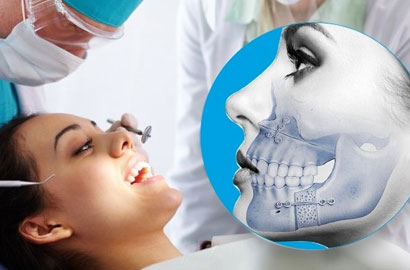
Oral & Maxillofacial Surgery
Oral & Maxillofacial Surgery is a specialized field focused on the diagnosis and surgical treatment of conditions affecting the mouth, jaws, face, neck, and related structures. At Orbit Super Specialty Hospital, our experienced specialists provide comprehensive care for oral, facial, and jaw conditions with a focus on patient safety, functional recovery, and appropriate treatment planning.
Our approach includes detailed clinical evaluation, appropriate diagnostic investigations, surgical treatment when required, and personalized post-operative care to support recovery and improve oral and facial function.
Conditions
Oral & Maxillofacial Surgery may be required for a wide range of conditions affecting the mouth, jaw, face, and surrounding structures, including:
- Impacted Wisdom Teeth
- Jaw Cysts and Tumors
- Jaw Fractures and Facial Trauma
- Facial and Jaw Deformities
- Temporomandibular Joint (TMJ) Disorders
- Oral and Maxillofacial Infections
- Benign Oral and Facial Tumors
- Salivary Gland Disorders
- Congenital Facial Conditions
- Jaw Alignment Problems
- Soft Tissue Injuries of the Face
- Other Oral and Maxillofacial Surgical Conditions
Symptoms
Symptoms can vary depending on the condition. Common signs that may require evaluation by an Oral & Maxillofacial Surgeon include:
- Persistent jaw or facial pain
- Swelling of the face, jaw, or mouth
- Difficulty opening or closing the mouth
- Difficulty chewing or swallowing
- Loose or impacted teeth
- Persistent oral ulcers or sores
- Abnormal lumps or growths in the mouth
- Jaw clicking or locking
- Changes in facial appearance or symmetry
- Numbness or altered sensation in the face
- Bleeding or discharge from the mouth
- Persistent facial swelling or infection
Causes
Oral and maxillofacial conditions may develop due to various factors, including:
- Dental infections
- Impacted teeth
- Accidents and facial trauma
- Jaw fractures
- Congenital or developmental abnormalities
- Inflammatory conditions
- Infections
- Benign or malignant growths
- Jaw joint disorders
- Tooth and jaw alignment problems
- Salivary gland conditions
Treatment
Treatment depends on the underlying condition, its severity, the patient's medical history, and individual needs. Depending on the diagnosis, treatment may include:
- Surgical Removal of Impacted Teeth
- Jaw Cyst and Tumor Removal
- Facial and Jaw Fracture Repair
- Corrective Jaw Surgery
- TMJ Procedures
- Management of Oral and Facial Infections
- Salivary Gland Surgery
- Oral and Maxillofacial Tumor Surgery
- Soft Tissue Reconstruction
- Management of Facial Trauma
- Congenital Deformity Correction
- Post-operative Care and Follow-up
The most appropriate treatment is determined after a detailed examination and necessary diagnostic investigations. Treatment may involve coordination with dental, ENT, oncology, or other specialists when required.
Benefits
Timely evaluation and appropriate surgical treatment can help restore oral and facial function and address the underlying condition. Potential benefits include:
- Relief from oral, jaw, and facial pain
- Improved chewing and jaw function
- Restoration of facial structure following injury
- Improved mouth opening and movement
- Treatment of oral and facial infections
- Removal of abnormal growths when required
- Improved facial symmetry in selected cases
- Better oral and facial function
- Improved overall quality of life
Prevention
Not all oral and maxillofacial conditions can be prevented, but good oral health and appropriate safety measures can help reduce certain risks.
- Maintain good oral and dental hygiene
- Attend regular dental check-ups
- Treat dental infections promptly
- Follow appropriate care for impacted teeth
- Use protective equipment during sports
- Follow road and workplace safety measures
- Avoid smoking and tobacco products
- Limit excessive alcohol consumption
- Do not ignore persistent oral ulcers or lumps
- Seek timely medical attention following facial injuries
When to Consult an Oral & Maxillofacial Surgeon?
Consult an Oral & Maxillofacial Surgeon if you experience persistent jaw or facial pain, facial swelling, difficulty opening the mouth, impacted teeth, recurring oral infections, jaw problems, abnormal growths, or facial injuries that require specialized evaluation.
Significant facial trauma, severe swelling, difficulty breathing or swallowing, uncontrolled bleeding, or rapidly worsening symptoms require immediate medical attention.