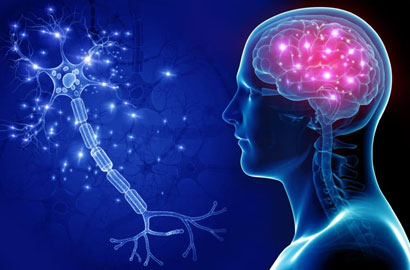
Neurology
Neurology is a specialized branch of medicine focused on the diagnosis, treatment, and management of disorders affecting the brain, spinal cord, nerves, and muscles. At Orbit Super Specialty Hospital, our experienced neurologists provide comprehensive neurological care with a focus on accurate diagnosis, personalized treatment, and long-term patient well-being.
Our approach combines detailed clinical evaluation, advanced diagnostic investigations, appropriate medical treatment, and rehabilitation support to help patients manage neurological conditions effectively.
Conditions
Neurology covers a wide range of conditions affecting the nervous system, including:
- Stroke
- Epilepsy and Seizure Disorders
- Migraine and Other Headache Disorders
- Parkinson's Disease
- Multiple Sclerosis
- Peripheral Neuropathy
- Alzheimer's Disease and Other Dementias
- Movement Disorders
- Myasthenia Gravis
- Vertigo and Balance Disorders
- Sleep Disorders
- Neuromuscular Disorders
Symptoms
Neurological disorders can cause different symptoms depending on the part of the nervous system affected. Common symptoms include:
- Frequent or severe headaches
- Dizziness or vertigo
- Numbness or tingling
- Muscle weakness
- Tremors or involuntary movements
- Difficulty walking or maintaining balance
- Seizures
- Memory problems or confusion
- Difficulty speaking or understanding speech
- Changes in vision
- Loss of coordination
- Changes in sensation or reflexes
Sudden weakness, facial drooping, difficulty speaking, sudden vision changes, seizures, or loss of consciousness may indicate a medical emergency and require immediate medical attention.
Causes
Neurological conditions may develop due to a variety of factors, depending on the specific disorder. These may include:
- Genetic or hereditary factors
- Age-related changes
- Blood vessel disorders
- Infections affecting the nervous system
- Head or spinal injuries
- Autoimmune conditions
- Metabolic disorders
- Nutritional deficiencies
- Tumors affecting the nervous system
- Degenerative neurological conditions
- Exposure to certain toxins or medications
Treatment
Neurological treatment depends on the underlying condition, severity of symptoms, medical history, and overall health of the patient. Treatment may include:
- Medications
- Physical and neurological rehabilitation
- Physiotherapy
- Occupational therapy
- Speech and language therapy
- Lifestyle and dietary modifications
- Management of risk factors
- Specialized treatment for seizure disorders
- Stroke management and rehabilitation
- Botulinum toxin therapy for selected movement disorders
- Advanced neurological procedures when required
- Regular monitoring and follow-up care
Treatment is planned according to the individual patient's condition and may involve a combination of medical management, rehabilitation, and specialist care.
Benefits
Timely neurological evaluation and appropriate treatment can help patients manage symptoms, prevent complications, and maintain better quality of life. Benefits may include:
- Early identification of neurological conditions
- Better control of symptoms
- Reduction in the risk of complications
- Improved mobility and coordination
- Better management of pain and headaches
- Improved control of seizures
- Support for memory and cognitive health
- Improved independence in daily activities
- Better long-term disease management
- Improved overall quality of life
Prevention
Not all neurological disorders can be prevented, but healthy lifestyle choices and proper management of health conditions may help reduce the risk of certain neurological problems.
- Maintain a healthy and balanced diet
- Exercise regularly as advised by a healthcare professional
- Maintain a healthy body weight
- Keep blood pressure, blood sugar, and cholesterol under control
- Avoid smoking and excessive alcohol consumption
- Get adequate sleep and maintain healthy sleep habits
- Take precautions to prevent head injuries
- Stay mentally and physically active
- Follow prescribed medications and medical advice
- Seek medical attention for persistent or unexplained neurological symptoms
When to Consult a Neurologist?
You should consider consulting a neurologist if you experience persistent headaches, recurrent dizziness, seizures, unexplained numbness or weakness, tremors, memory problems, balance difficulties, changes in speech or vision, or other unusual neurological symptoms.
In case of sudden weakness or numbness, facial drooping, difficulty speaking, sudden vision loss, severe unexplained headache, or loss of consciousness, seek emergency medical care immediately.